
Plantation Shutters vs Blinds: Which Suits Your Highlands Home?
Plantation shutters give a solid, built-in finish with precise louvre-by-louvre light control, while blinds are more flexible, quicker to change and suit a wider range of budgets. At Highland Blinds, we are a family-owned business with more than 20 years of experience, and we make and install both across Bowral, Mittagong and Moss Vale. That means we can give you a straight answer on shutters or blinds for each room, not a sales pitch for one or the other.
Key Takeaways
- Plantation shutters are a permanent, architectural window covering with adjustable louvres. Blinds, especially roller blinds, are flexible, quicker to install and easier to update.
- In the Southern Highlands climate, well-fitted shutters and good-quality blinds both help with glare, heat and winter warmth. Accurate measuring and installation matter most.
- Shutters suit main living areas and character homes where you want a lasting, built-in look. Blinds suit rooms where budget, flexibility or a minimal look matter more.
- Highland Blinds makes plantation shutters to measure in timber, PVC and aluminium, and we are the region's only roller blind manufacturer.
Shutters vs Blinds: What Decision Are You Really Making?
Choosing between plantation shutters and blinds is really a decision about how you want to manage light, heat, privacy and upkeep in each room, and the answer often changes from one window to the next.
Plantation shutters are made-to-measure panels fitted in or around the window frame, with wide adjustable louvres that tilt to control light and airflow. Blinds cover several products, but the two most often compared with shutters are roller blinds, a single fabric panel that rolls up and down, and Venetian blinds, with narrower slats that tilt.
- Permanent or changeable: shutters become part of the house once installed. Blinds are easier to swap when your style or the way you use a room changes.
- Louvres, slats or fabric: shutters use solid louvres, roller blinds use fabric and Venetians use narrower slats.
- Cords: shutters have no hanging cords, which suits homes with young children and pets. Many blinds can also be made cord-free or motorised.
- Cleaning: shutters and roller blinds are easy to wipe or dust. Narrow Venetian slats take more time.
- Upfront cost: shutters are generally the bigger investment, while blinds suit a wider range of budgets.
Around the Southern Highlands you'll find heritage cottages in Bowral with original timber frames, newer estates in Renwick and Moss Vale with big glass openings, and rural homes with a mix of window styles. Shutters tend to suit the character of older homes, while blinds often work well in contemporary spaces or wherever flexibility matters.
How Plantation Shutters Work: Structure, Materials and Operation
Plantation shutters fix to or sit inside the window frame, so they look like part of the wall rather than something hung in front of it. Every set needs professional measuring and installation, which matters even more on older Highlands homes where window frames are rarely perfectly square.
Highland Blinds offers plantation shutters in three materials:
- Timber: natural grain and warmth, a classic choice for living rooms and bedrooms in heritage homes.
- PVC: moisture-resistant, suiting bathrooms, laundries and kitchens where steam and splashes are part of daily life.
- Aluminium: tough and weather-resistant, for hard-working or exposed spaces.
The louvres tilt to manage how much light comes in, control glare and keep daytime privacy without opening or closing the whole panel. Angle them up to bounce sun off kitchen benches and screens, or close them for a dark room at night.
How Blinds Work: Main Types and Everyday Use
Blinds give you more product, fabric and colour choice than shutters, and they are usually quicker to make and install.
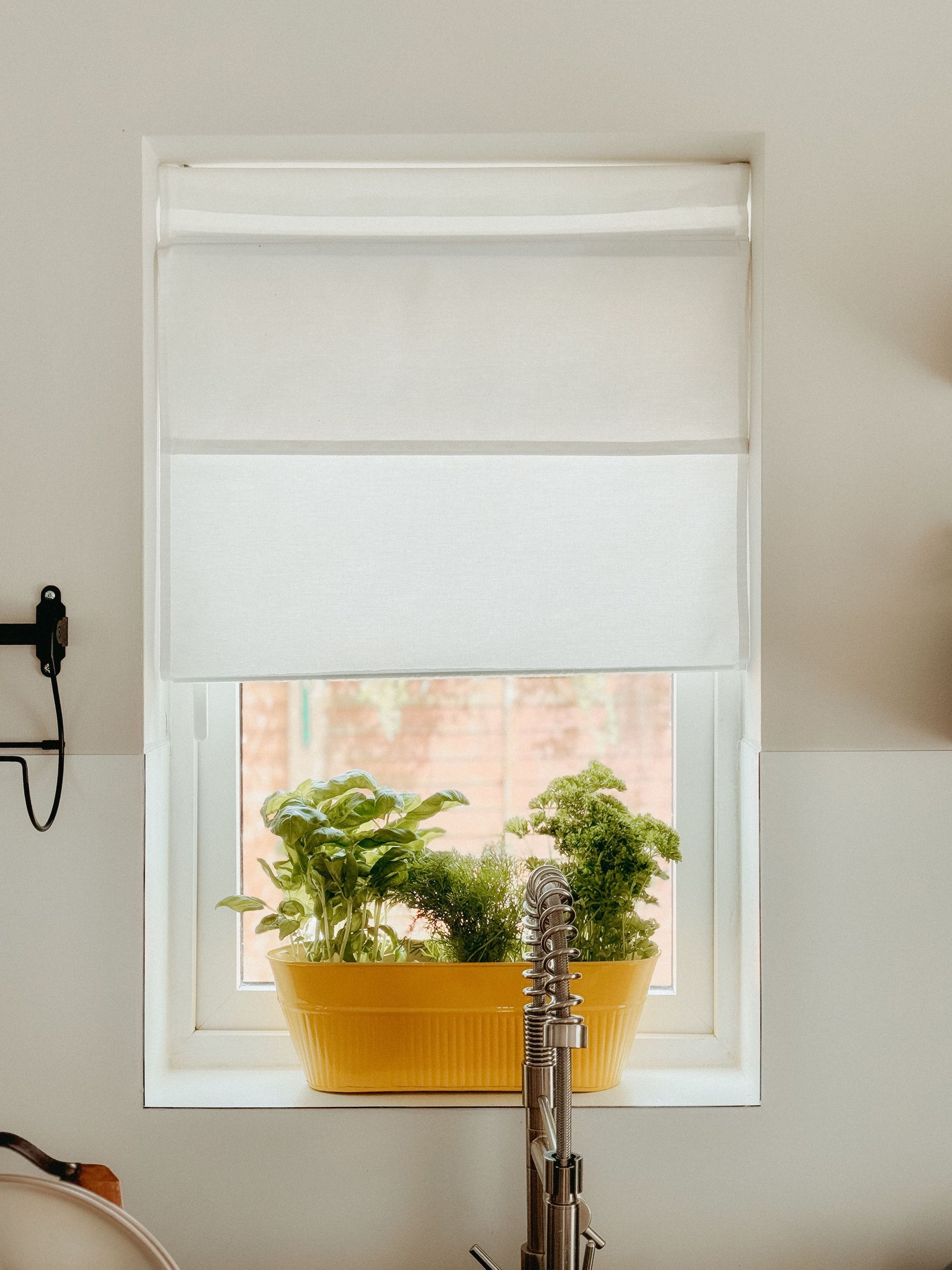
Roller blinds are the simplest: one fabric panel rolling onto a tube. They come in blockout, light-filtering and sunscreen fabrics, each giving a different balance of light and privacy. Because Highland Blinds is the region's only roller blind manufacturer, we make roller blinds locally to suit each window.
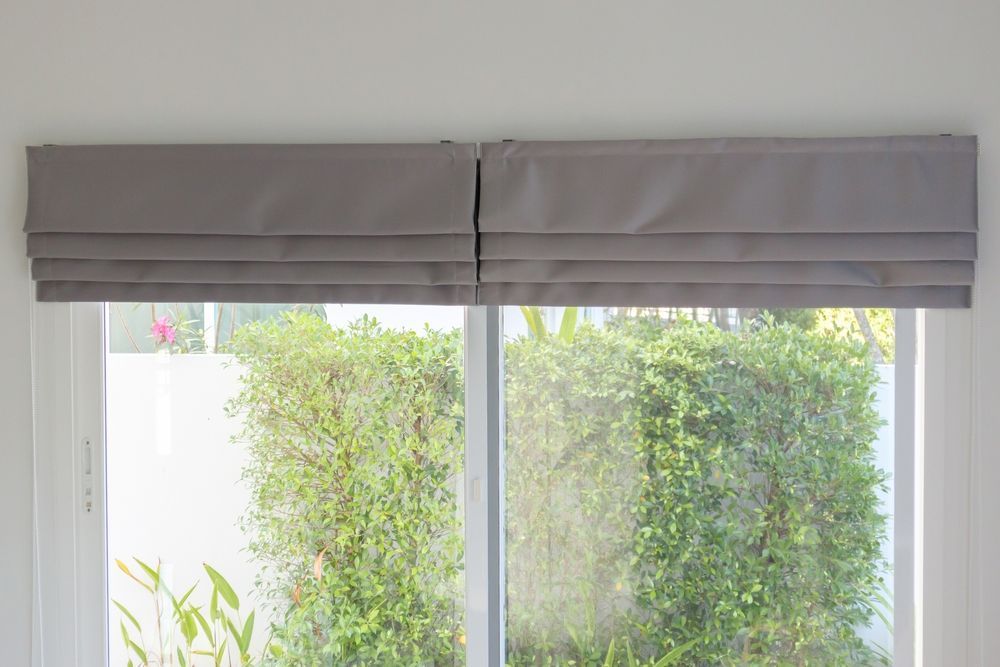
Venetian blinds use horizontal slats you can tilt to direct light, which works well in living areas and home offices. We also make Roman, vertical and panel glide blinds. Blinds generally cause less disruption to install than shutters, and they're easy to update when you want a fresh look.
Light Control and Glare: Shutters vs Blinds on Bright Days
Plantation shutters give the finest light control, because each bank of louvres can be tilted to redirect light rather than just block it. That matters in Southern Highlands homes, which get low winter sun through east-facing glass and strong western light into open-plan living areas around Bowral and Mittagong.
Tilt the louvres upward and you keep glare off the TV and kitchen bench while daylight still fills the room. Roller blinds work more simply: up, down or somewhere between. Blockout rollers are excellent for darkening bedrooms and media rooms, and sunscreen rollers cut glare while keeping the view, but neither gives graduated, directional control. Venetians do, and shutters do it with sturdier louvres that won't rattle when the window's open on a breezy day.
Picture a Mittagong living room with strong afternoon sun: tilting the louvres lets you keep the light without cooking the couch. In a Moss Vale home office where screen glare is the problem, a sunscreen roller blind or well-angled shutters both make a real difference.
Heat Control, Insulation and Energy Efficiency
Both shutters and blinds help keep a Southern Highlands home comfortable, as long as they fit well. With frosty mornings in July and hot afternoons in summer, the window is where a lot of heat comes and goes.
Well-fitted plantation shutters add a solid layer between the glass and the room, which helps slow heat loss in winter and keeps summer sun off the glass. Snug-fitting roller blinds, especially blockout fabrics mounted close to the window, also reduce the chill near the glass and make a room noticeably more comfortable.
Good habits help too. Close shutters or blinds before the afternoon heat builds, and open them on sunny winter mornings to let warmth in. It costs nothing and makes your heating and cooling work less hard.
Privacy and Natural Light, Day and Night
Plantation shutters make it easy to block direct views while still letting in filtered daylight, which is useful in street-facing rooms in Bowral and on closer-set blocks around Mittagong.
At night, closed shutters give full visual privacy. Blockout roller blinds and blockout Roman blinds do the same job well. Light-filtering and sunscreen fabrics are different: once the lights are on inside, silhouettes can be seen from outside, so they work best layered with a blockout or curtains in rooms where night privacy matters.
- Bedrooms: shutters or blockout blinds as the main privacy layer.
- Living areas and home offices: adjustable louvres or slats let you balance privacy and daylight through the day.
- Bathrooms facing a neighbour: PVC shutters or a suitable blind that keeps privacy while letting light in.
Durability, Low Maintenance and Cleaning
Plantation shutters are among the easiest window coverings to look after: a regular dust and an occasional wipe with a damp cloth is usually all they need. PVC and aluminium shutters handle steamy bathrooms, laundries and kitchens especially well, and with no cords and few moving parts, there's little to tangle or wear out.
Roller blinds usually need only an occasional dust and spot clean, though some fabrics mark more easily near cooking areas or little hands. Venetian blinds take longer, because each slat collects dust and needs individual attention. If anyone in the house has dust allergies, smooth hard surfaces like shutters, or easy-wipe blind fabrics, help keep things manageable.
Aesthetics, Large Windows and Built-In Appeal
Plantation shutters act as an architectural feature, giving a tailored, built-in finish that suits both character cottages and contemporary builds when the frame and louvre size are chosen well. For homeowners planning to stay put, that permanence is a big part of the appeal.
Blinds give a quieter, more minimal look, letting walls, artwork and furniture take centre stage. They also suit tight spots where shutter panels have no room to swing open, and roller blinds mounted high can make windows look taller. On small windows either option works: shutters add visual weight and structure, while blinds keep things light.
Room-by-Room: When to Choose Shutters, When to Choose Blinds
The right choice depends on how each room is used. As a general guide for Southern Highlands homes:
- Living and family rooms: plantation shutters give strong light control and a built-in look in high-use spaces. Roller blinds, sometimes layered with curtains, give a softer, more flexible result.
- Bedrooms: darkness comes first. Choose shutters for a neat, easy finish, or blockout roller blinds where budget or a particular fabric look matters.
- Kitchens: PVC or aluminium shutters handle splashes and steam, and wipe-clean blinds also work. Avoid heavy fabrics right beside the cooktop.
- Bathrooms and laundries: moisture-resistant materials are essential, so choose PVC or aluminium shutters or a suitable coated blind.
- Home offices: glare is the enemy, so adjustable louvres or sunscreen roller blinds work best.
To see the timber, PVC and aluminium options in more detail, visit our page on plantation shutters in the Southern Highlands.
Cost, Longevity and "Whole-House" Planning
Plantation shutters are usually the bigger upfront investment, but they stay in place for many years and feel like part of the home. Blinds come in at a wider range of price points and are often chosen where flexibility and budget matter more, such as spare bedrooms, a cottage on the property or rooms due for renovation.
A few whole-house approaches work well:
- Shutters in the main living areas and front-facing rooms, with blinds in less-used rooms.
- Roller blinds throughout to start, adding shutters to feature windows later as budget allows.
- A room-by-room mix chosen by how each space is used.
Whichever way you go, accurate measuring and professional installation are what make made-to-measure products perform, especially on older or out-of-square windows. A free in-home measure and quote from Highland Blinds can help you map out a staged plan.
Why Highland Blinds for Shutters and Blinds in the Southern Highlands
Highland Blinds is a family-owned, locally operated business with more than 20 years of experience helping Southern Highlands homeowners choose window coverings. We are the region's only roller blind manufacturer, and our plantation shutters in timber, PVC and aluminium are measured and made for your windows.
We offer a free in-home measure and quote, advice tailored to each room, and a plain-spoken approach to the shutters or blinds question. Call us on 0407 694 704 and we'll walk through your home with you.
FAQs: Plantation Shutters vs Blinds in the Southern Highlands
Are plantation shutters or roller blinds better for large windows and sliding doors?
Both can work, and wide spans sometimes suit a combination. Shutter panels work well on French doors, while roller blinds keep operation simple on large sliding or stacker doors. Many homes use shutters on the side windows and roller blinds on the main sliding door. We look at how often the doors are used, where furniture sits and how air flows before recommending an approach.
Can plantation shutters be fitted to older, out-of-square windows?
Yes. Made-to-measure shutters suit older homes, but they rely on careful on-site measuring and the right frame choice to allow for windows that aren't square. That's why we measure every window ourselves rather than relying on DIY measurements.
How long does installation take once I've ordered?
Lead times vary by product, material and colour, and shutters often take longer to make than locally made roller blinds. Installation itself is usually quick once the products are ready. We'll outline the expected timing at the quote stage so you can plan around building work or a move.
Can I keep my existing curtains and add shutters or blinds behind them?
Often, yes. Many Highlands homes layer a blockout roller blind or plantation shutters close to the glass with curtains on the room side for extra winter warmth and a softer look. At the measure, we check there's enough depth around the window for both layers to work freely.
What suits a low-fuss holiday home or short-stay rental in the Highlands?
Robust, easy-care options work best where guests may not handle products gently, such as PVC or aluminium plantation shutters or good-quality cord-free roller blinds. Talk to Highland Blinds about how the property is used and cleaned, and we'll recommend the right balance of durability, light control and looks. Contact us to book your free in-home measure and quote.
Recent Posts